Ornament Sheep: A Designer’s Review for Real Projects
As an embroidery designer who has spent years digitizing and testing thousands of motifs, I have learned that not every cute graphic translates well into thread. When I first loaded the Ornament Sheep design onto my machine, I was looking for more than just aesthetic appeal. I wanted to know if this file could hold up under the scrutiny of a paying customer, how it would behave on different fabric textures, and whether it offered enough versatility for a small craft business. After running several test stitches and integrating the motif into various mockups, I am ready to share my practical assessment of this piece for fellow makers, Etsy sellers, and apparel decorators.
First Impressions: Mood and Visual Personality
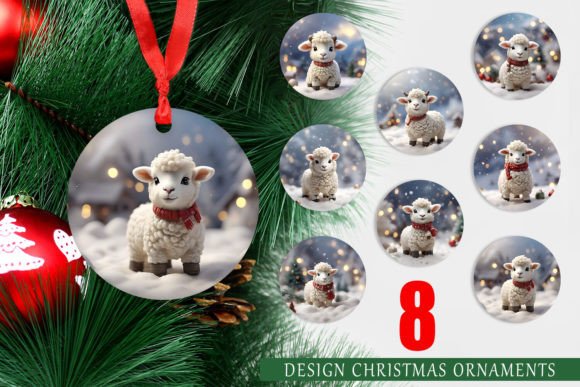
The immediate impression of the Ornament Sheep is one of whimsical warmth. It captures a soft, nostalgic mood that fits perfectly within the current trend of cozy, handmade home decor and gentle nursery aesthetics. The layout is balanced, avoiding the clutter that often plagues complex holiday or animal-themed designs. For a designer, this clarity is crucial. It means the visual personality of the sheep remains distinct even when scaled down for smaller items like baby socks or scaled up for a pillow cover.
The shape relies on clean lines and thoughtful spacing. In the world of machine embroidery design, negative space is just as important as the stitch itself. This design uses space effectively, allowing the fabric texture to breathe between stitch areas. This is particularly important if you are working with textured fabrics like linen or waffle knit, where overly dense designs can cause puckering. The visual weight feels substantial without being heavy, making it an ideal candidate for both modern minimalist projects and traditional rustic crafts.
Real-World Application: From Tote Bags to Sweatshirts
To truly evaluate an embroidery file, you must imagine it in a real-life scenario. I recently worked on a custom order for a boutique client who needed a cohesive line of holiday gifts. We decided to test the Ornament Sheep on a few key products to gauge its versatility.
First, we applied it to a canvas tote bag. Here, the design shined. The sturdy fabric provided excellent support for the stitches, and the contrast between the thread colors and the natural canvas created a striking, high-end look. This is a prime example of a successful tote bag design that appeals to shoppers looking for unique, reusable gift bags or everyday carryalls.
Next, we moved to apparel, specifically a fleece sweatshirt. Sweatshirt embroidery can be tricky due to the pile of the fabric. However, because the Ornament Sheep does not rely on microscopic details, it retained its clarity. The satin stitch borders remained crisp, and the fill stitch areas lay flat against the fuzzy background. This makes it a strong contender for custom apparel lines, especially for those targeting the cozy winter market.
We also tested it on a baby onesie. For baby embroidery, softness and safety are paramount. By adjusting the stitch density slightly and using high-quality rayon thread, we achieved a soft hand feel that would not irritate sensitive skin. This adaptability proves that the design is not just a static image but a flexible asset for various personalized gift options.
Technical Considerations and Fabric Choices
While the design is robust, there are specific situations where caution is required. If you plan to use this on stretchy fabrics like jersey knits for t-shirts, proper stabilization is non-negotiable. I recommend using a cut-away stabilizer to prevent the design from distorting after washing. Without it, even the best digitized file can look warped on stretchy material.
Dark fabrics present another challenge. If you are stitching the Ornament Sheep on black or navy blue, you must carefully select your thread colors. Light pastels may require an underlay of white thread to pop, which adds bulk. Always test your thread color contrast on scrap fabric before committing to the final product. I found that earthy tones and deep reds worked beautifully on dark denim for an embroidered patch, while bright whites and creams stood out vividly on kitchen towels.
Curved surfaces, such as caps, require careful hoop placement. The design’s width should be checked against your cap frame to ensure it does not wrap too far around the curve, which can cause visibility issues from the front. For caps, I suggest centering the sheep prominently and ensuring the stitch direction follows the curve of the hat for a professional finish.
Enhancing Brand Value and Customer Trust
For Etsy sellers and small shop owners, the quality of your design assets directly impacts your brand consistency. A clean, well-stitched motif like the Ornament Sheep elevates the perceived value of your handmade product. Customers associate precise stitching with professionalism. When a buyer sees clear satin edges and uniform fill stitches, their trust in your craftsmanship increases.
This design also performs well in digital marketing. When creating printable mockups or social media previews, the distinct silhouette of the sheep grabs attention. It is recognizable even in thumbnail sizes, which is vital for online engagement. Whether you are selling the finished product or offering it as part of a custom service, the design’s charm helps drive buyer engagement.
Practical Notes for the Embroidery Designer
Before you launch into full production with this design, keep these practical tips in mind:
- Test on Scrap Fabric: Always run a test stitch on the same material you intend to use for the final product. This allows you to check tension and registration.
- Check Stitch Density: Review the digitizing settings. If the design feels too stiff on lightweight fabric, consider reducing the density in your software if you have the editable file, or choose a heavier fabric.
- Confirm Hoop Size: Ensure the design fits comfortably within your hoop with adequate margin for stability. Do not crowd the edges.
- Inspect Small Details: Zoom in on your machine’s screen. Look for any potential thread breaks in tight corners or tiny elements. While this design is generally open, individual machine performance varies.
- Licensing Verification: If you are using this for commercial embroidery projects, confirm the license terms. Ensure you have the right to sell finished items or digital embroidery files derived from this work.
In conclusion, the Ornament Sheep is a versatile and charming addition to any designer’s library. It bridges the gap between playful creativity and technical reliability. Whether you are creating holiday embroidery for a local craft fair, designing a line of baby clothes, or adding a touch of whimsy to home decor, this motif offers the flexibility and polish needed for professional results. By respecting the technical requirements of fabric and stabilization, you can transform this digital asset into a standout finished product that resonates with customers and enhances your brand’s reputation.