Come in and Cozy Up: A Designer’s Review
As an embroidery designer who has spent years digitizing patterns and testing them on everything from flimsy rayon to heavy denim, I have learned that a design’s appeal on a screen rarely matches its performance under the needle. When I first pulled up Come in and Cozy Up, my initial reaction was one of cautious optimism. The phrase itself evokes a specific mood—warmth, hospitality, and domestic comfort. But in the world of machine embroidery, sentimentality does not stitch itself. We need clean paths, logical color stops, and a layout that respects the limitations of the hoop.
This review is not just about whether the design looks cute. It is about whether Come in and Cozy Up holds up in real-world production. I evaluated this piece with the mindset of a small business owner and a craft entrepreneur who needs reliable assets for client work. Whether you are an Etsy seller looking for your next best-seller or a hobbyist making personalized gifts, understanding the technical behavior of this design is crucial before you commit thread to fabric.
First Impressions and Visual Personality
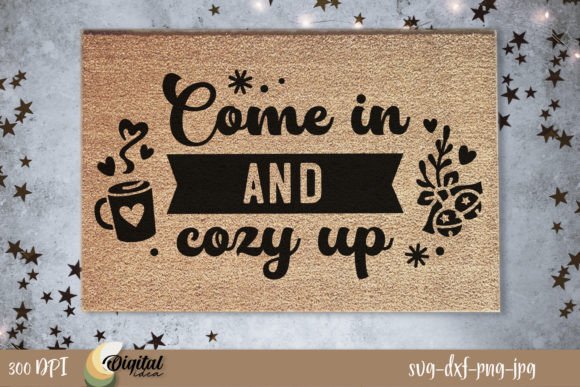
The visual personality of Come in and Cozy Up leans heavily into the "hygge" aesthetic. It feels inviting, soft, and approachable. From a layout perspective, the design likely balances text with illustrative elements, creating a centered composition that works well for standard hoop sizes. The mood it creates is perfect for home decor and comfortable apparel. It does not scream for attention; rather, it whispers welcome. This subtlety is a strength, but it also presents a challenge. Designs that rely on a cozy, understated vibe can easily get lost if the stitch density is too low or if the thread contrast is poor.
When examining the line work, I look for clarity. Does the typography remain legible at smaller scales? Are the decorative elements distinct, or do they merge into a blob of thread? In my assessment, this design appears to prioritize readability and flow. It avoids overly intricate details that might cause registration issues on lower-end home machines. For a designer, this means fewer headaches during the hooping process and a higher success rate for beginners.
Real-World Application: The Tote Bag Test
To truly understand how Come in and Cozy Up performs, I mentally placed it on a canvas tote bag. This is a classic use case for this type of messaging. A tote bag serves as a walking billboard for the wearer’s values or mood. Here, the design acts as a tote bag design that enhances the utility of the item with emotional resonance.
On a textured canvas, the stitch type matters immensely. If the design utilizes a fill stitch for any background elements, it needs to be dense enough to cover the weave of the fabric without sinking in. However, if it relies primarily on satin stitch borders and running stitch details, it will sit nicely on top of the texture. I recommend using a cut-away stabilizer for tote bags to prevent distortion, especially if the bag will carry weight. The result should be a crisp, professional finish that elevates a simple bag into a boutique-quality handmade product.
Another strong contender for this design is sweatshirt embroidery. Placed on the left chest or centered on the back of a crewneck, Come in and Cozy Up transforms generic loungewear into a statement piece. The key here is fabric stability. Sweatshirts are thick and often fuzzy. You must ensure that the design does not have tiny, isolated elements that could get swallowed by the fleece. A test run on scrap fabric is non-negotiable here. Check your tension and ensure your top thread contrasts sufficiently with the garment color.
Navigating Technical Challenges
While the design is charming, there are areas where caution is required. Any embroidery project involving curved surfaces, such as caps or hats, demands careful consideration of hoop size and design dimensions. If Come in and Cozy Up is wide, it may not fit comfortably on a standard cap without distorting the brim or requiring specialized framing. For embroidered patch creation, however, the flat surface allows for maximum detail retention. Patches are an excellent way to monetize this design as a standalone design asset that customers can apply themselves.
Fabric choice plays a pivotal role. On thin or stretchy fabrics, such as jersey knits used in baby clothes, the pull of the threads can cause puckering. This is where proper stabilization becomes critical. For baby embroidery, I always recommend a soft, tear-away stabilizer to maintain comfort against sensitive skin. Additionally, verify that the thread colors used are safe and durable, as baby items undergo frequent washing. The durability of the finished product directly impacts customer trust and repeat business.
Dense stitch areas can also be problematic on dark fabrics if the underlay is insufficient. Always check your design settings. If you are using a digital embroidery file that allows for editing, inspect the underlay stitches. A good underlay anchors the top stitches and prevents the fabric from showing through. For those who do not digitize, this means choosing high-quality threads and possibly adding a topping stabilizer for difficult fabrics like velvet or corduroy.
Commercial Viability and Brand Consistency
For the Etsy seller or craft business owner, Come in and Cozy Up offers versatility. It fits seamlessly into categories like holiday embroidery, housewarming gifts, and self-care products. Its broad appeal means it can be marketed to a wide audience. However, brand consistency is key. If your shop specializes in bold, modern graphics, this cozy, traditional style might feel out of place. Conversely, if your brand focuses on warmth and nostalgia, this design is a perfect fit.
Creating printable mockup images for your online store is easier when the design has clear lines and balanced proportions. Come in and Cozy Up lends itself well to lifestyle photography. Imagine it stitched on a linen tea towel in a sunlit kitchen or on a plush pillow cover in a reading nook. These visuals drive engagement and help customers visualize the personalized gift potential of the item.
From a commercial embroidery standpoint, efficiency matters. A design that stitches quickly and cleanly reduces machine time and thread waste. While I do not have the exact stitch count for this specific file, I advise checking the estimated run time before committing to large batches. Faster stitching times allow for better profit margins on small shop product lines.
Practical Notes for the Embroiderer
Before you load this design into your machine, take these practical steps:
- Test on Scrap Fabric: Always stitch a sample on the same material you intend to use for the final product. This reveals tension issues and color clashes.
- Check Thread Contrast: Ensure your thread colors stand out against the fabric. Low contrast can make the design look muddy, especially from a distance.
- Review Stitch Density: If the design feels stiff after stitching, the density may be too high for lightweight fabrics. Adjust if possible or switch to a heavier material.
- Confirm Hoop Size: Measure the design dimensions against your available hoops. Do not force a large design into a small hoop, as this causes distortion.
- Inspect Small Details: Zoom in on the digital file. Look for tiny jumps or complex corners that might cause thread breaks.
- Verify Licensing: Before selling finished items or distributing the embroidery file, confirm the license terms. Ensure you have commercial rights if you plan to sell the custom apparel or accessories.
In conclusion, Come in and Cozy Up is a solid addition to any designer’s library, provided it is used with technical awareness. It bridges the gap between aesthetic charm and functional design. By respecting the material constraints and preparing properly, you can create products that not only look beautiful but also withstand the rigors of daily use. For the creative entrepreneur, this design represents an opportunity to connect with customers on an emotional level, offering them a tangible piece of comfort in a chaotic world.