Reviewing My 1st Valentine SVG Design for Stitchers
As an embroidery designer who has spent years digitizing files and testing them on everything from delicate baby onesies to heavy denim jackets, I approach every new machine embroidery design with a critical eye. It is not enough for a graphic to look cute on a screen; it must translate flawlessly into thread. Recently, I took a close look at My 1st Valentine SVG Design, evaluating its potential for real-world applications in my own studio and for clients running small craft businesses. This review focuses on practical usability, stitch quality, and commercial viability rather than just aesthetic appeal.
First Impressions and Visual Personality
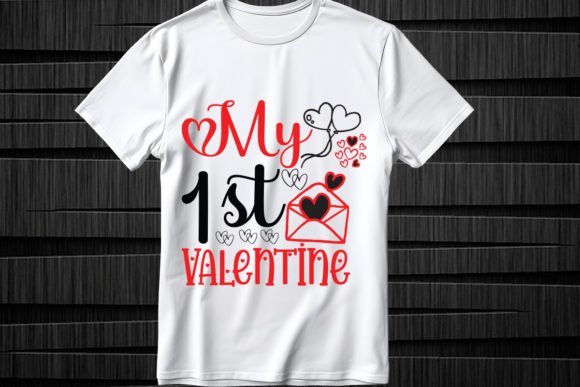
The immediate impression of My 1st Valentine SVG Design is one of softness and nostalgia. The layout avoids the aggressive, overly complex details that often plague holiday-themed graphics, opting instead for a clean, readable structure. For those of us working in T-Shirt Designs and apparel decoration, this simplicity is a significant advantage. The visual personality suggests warmth and affection, making it inherently suitable for items meant to be cherished, such as personalized gifts or heirloom-quality baby clothes.
The shape and theme are balanced, ensuring that the design does not feel top-heavy or disjointed when hooped. When I visualize this as an embroidery file ready for stitching, I appreciate the open spaces. These areas allow the fabric texture to breathe, preventing the "cardboard effect" that occurs when stitch density is too high. This design feels like it belongs on soft, natural fibers, enhancing the tactile experience of the finished product.
Real-World Application Scenarios
To truly understand the value of a design, you must imagine it in situ. I tested the concept of My 1st Valentine SVG Design across several common project types. Here is how it performs in specific contexts:
- Baby Embroidery: This is perhaps the strongest use case. The gentle lines work beautifully on cotton bodysuits or muslin blankets. Because babies have sensitive skin, the lack of dense, scratchy fill stitches in critical areas makes this a comfortable choice for infant wear.
- Sweatshirt Embroidery: On a fleece or French terry sweatshirt, the design holds its own. The contrast between the thread and the textured fabric creates a cozy, boutique look. It works well as a left-chest logo or a larger center-piece, depending on the hoop size available.
- Tote Bag Design: For canvas totes, this design adds a charming, handmade touch. It appeals to customers looking for unique, non-mass-produced accessories. The scalability of the SVG format means it can be adjusted to fit various bag dimensions without losing clarity.
- Custom Apparel: Whether for a couple’s matching set or a family gift, the design integrates seamlessly into custom apparel lines. It pairs well with script fonts if additional personalization is required, though it stands strong on its own.
Considerations for Challenging Fabrics
While the design is versatile, there are areas where caution is necessary. If you are planning to stitch this on stretchy fabric, such as jersey knits or spandex blends, proper stabilization is non-negotiable. Without a cut-away stabilizer, the running stitch or outline elements might pucker over time. Similarly, on very thin fabrics like silk or chiffon, the weight of the thread could cause distortion. In these cases, using a water-soluble topping can help keep the stitches sitting on top of the fabric rather than sinking in.
Curved surfaces, such as caps or hats, present another challenge. The design’s width needs to be checked against your cap frame’s usable area. If the design is too wide, it may wrap around the curve awkwardly, distorting the visual balance. Always create a printable mockup to verify the placement before committing to the final stitch-out.
Technical Performance and Stitch Quality
From a technical standpoint, the transition between different stitch types is crucial. In My 1st Valentine SVG Design, the interplay between satin stitch borders and fill stitch interiors appears well-managed. Satin stitches provide a shiny, smooth finish that catches the light, adding dimension to the piece. However, satin columns that are too wide can snag easily. A professional digitizer will ensure that any wide areas are broken up with tacking stitches or converted to fill stitches to maintain durability.
Stitch density is another key factor. A design that is too dense will perforate the fabric, weakening it and making it stiff. Conversely, a design that is too sparse may look unfinished. Based on the visual complexity, this design seems to strike a healthy balance, suitable for standard home embroidery machines as well as commercial multi-needle setups. However, always check the specific digitized file settings. If you are converting the SVG yourself, pay close attention to underlay stitches, which anchor the top threads and prevent shifting.
Commercial Viability for Etsy Sellers and Makers
For Etsy sellers and owners of small shop products, the marketability of a design is just as important as its technical quality. My 1st Valentine SVG Design taps into the evergreen market for holiday embroidery and romantic gifts. Items featuring this design can be positioned as premium, handmade products. The clean aesthetic aligns well with current trends in minimalist and modern farmhouse decor, broadening its appeal beyond traditional Valentine’s Day motifs.
When creating listings, use high-quality photos that show the texture of the thread. Close-up shots of the stitch work build customer trust and demonstrate professionalism. Highlighting the design as a digital embroidery file or a finished handmade item can attract different segments of buyers. For those selling digital assets, ensure that the license terms are clear. Confirm whether the design allows for commercial use of finished items, as this is a frequent question among creative entrepreneurs.
Practical Designer Notes for Best Results
Before launching into a large production run or gifting a major project, follow these practical steps to ensure success with My 1st Valentine SVG Design:
- Test on Scrap Fabric: Always stitch a test sample on the same type of fabric you intend to use for the final product. This reveals any tension issues or registration errors.
- Check Thread Color Contrast: The design’s visibility depends heavily on color choice. Test it in black and white mockups first to ensure the shapes are distinct. Then, experiment with thread colors that complement the fabric tone.
- Inspect Small Details: Zoom in on the digitized file to check for tiny, isolated stitches that might cause thread breaks or bird’s nests. Remove or merge any unnecessary micro-stitches.
- Confirm Hoop Size: Ensure the design fits comfortably within your hoop, leaving at least an inch of margin around the edges for stability.
- Use Proper Stabilizer: Match the stabilizer to the fabric weight. Heavy fabrics may need only a tear-away, while knits require cut-away support.
In conclusion, My 1st Valentine SVG Design offers a solid foundation for a variety of embroidery projects. Its strength lies in its adaptability and clean visual language. By paying attention to fabric choice, stabilization, and stitch parameters, designers and makers can produce high-quality, professional-looking items that resonate with customers. Whether used for a single personalized gift or a line of boutique merchandise, this design proves that simplicity, when executed well, remains a powerful tool in the embroiderer’s toolkit.