Review: We Are Expecting 2024 Embroidery Design
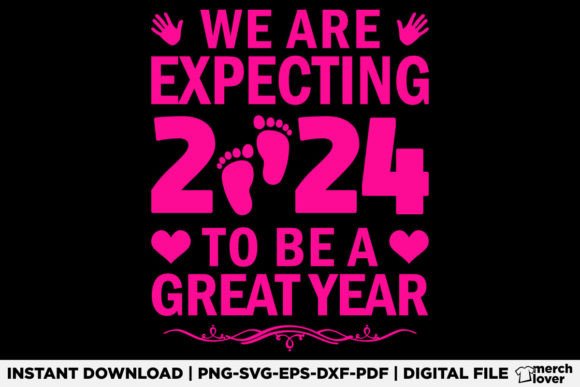
As a designer who spends more time staring at stitch maps than finished garments, I have learned to be skeptical of text-heavy designs. Words are tricky in embroidery. Unlike print, where a font is just a font, machine embroidery requires us to translate typography into physical thread paths. This is why I took a close look at the We Are Expecting 2024 to Be a Great Year design before committing it to any client project. The promise of optimism is strong, but the execution determines whether a piece looks like a high-end boutique item or a homemade mistake.
My first impression was one of balanced simplicity. The layout avoids the clutter that often plagues slogan-based T-Shirt Designs. Instead of fighting for attention with excessive flourishes, the text relies on clean lines and readable spacing. For an embroidery project, this is crucial. When you are working with thread, negative space is your best friend. This design understands that principle. It feels modern, approachable, and surprisingly versatile, which is rare for a phrase tied to a specific year.
Real-World Application: The Custom Sweatshirt Test
To truly evaluate a machine embroidery design, you have to imagine it on fabric. I visualized this specific artwork on a heather grey crewneck sweatshirt. This is a popular item for small shop products and Etsy sellers looking for seasonal inventory. The mood of the phrase is hopeful and forward-looking, making it ideal for New Year gifts or early spring releases.
In this scenario, the design performs well because of its horizontal flow. It sits comfortably across the chest without wrapping awkwardly around the sides. If you are a craft business owner, you know that placement is half the battle. A design that is too wide gets lost on smaller frames, while one that is too tall distorts on curved surfaces. This layout strikes a middle ground. It would also work beautifully as a centered element on a canvas tote bag, serving as a sturdy, everyday reminder of positivity. For baby embroidery, such as a onesie or a nursery wall hanging, the sentiment is sweet, though you must consider scale carefully.
Stitching Clarity and Technical Considerations
Let’s talk about the mechanics. While I do not have the exact stitch count or file specifications in front of me, the visual structure suggests a mix of satin stitch and fill stitch techniques. Text designs usually rely on satin columns for legibility. If this design uses thick satin stitches, you need to be mindful of your hoop size. A 4x4 hoop might be tight if the lettering is large, so a 5x7 or 6x10 hoop would likely provide better stability and easier hooping.
One critical factor is stitch density. If the letters are too dense, they can pull on lightweight fabrics, causing puckering. This is a common issue with commercial embroidery projects on thin cottons or rayon blends. I recommend testing this design on scrap fabric first. Use a medium-weight cut-away stabilizer for knit fabrics like sweatshirts and a tear-away for woven cottons like tote bags or aprons. The goal is to keep the fabric flat so the text remains crisp.
Thread color choice will define the personality of the finished product. On a dark navy sweatshirt, white or metallic gold thread would create a striking contrast, emphasizing the celebratory nature of the message. On a light pink baby item, soft pastels or a subtle grey would keep the look gentle and sophisticated. Always check thread color contrast before you start stitching. A low-contrast combination might look elegant in a digital preview but disappear in real life.
Navigating Fabric and Hoop Challenges
Not every surface is friendly to text-based embroidery. If you plan to use this on a cap, proceed with caution. Curved surfaces distort horizontal lines. You may need to adjust the pull compensation settings in your software or choose a smaller version of the design if available. Similarly, textured fabrics like terry cloth towels or fuzzy fleece can swallow up fine details. If the design includes tiny serifs or thin connecting lines, they might get lost in the pile of the fabric.
For stretchy fabrics, such as athletic wear or fitted t-shirts, stabilization is non-negotiable. Without proper support, the embroidery file will warp after the first wash. I always advise hobbyists and makers to test wash their samples. Check if the threads loosen or if the fabric shrinks unevenly around the stitched area. This step builds customer trust and ensures your handmade product stands up to daily use.
Commercial Value and Brand Consistency
For Etsy sellers and digital product sellers, the appeal of We Are Expecting 2024 to Be a Great Year lies in its timeliness and emotional resonance. People buy feelings, not just thread. This design sells hope. However, to maximize its value, you must present it professionally. Use high-quality printable mockups that show the texture of the thread. Buyers need to see how the satin stitch catches the light.
Brand consistency is another key consideration. If your shop specializes in minimalist aesthetic, this design fits perfectly. If your brand is known for chaotic, colorful maximalism, you might need to pair it with bold, contrasting thread colors to make it pop. Regardless of your style, ensure that the design aligns with your overall catalog. A cohesive shop looks more professional and encourages repeat buyers.
Before listing this as a commercial embroidery asset or selling finished items, confirm the licensing terms. Some designers allow unlimited sales of finished physical goods, while others restrict digital redistribution. Never assume. Check the license included with your download. Protecting your business from copyright issues is just as important as choosing the right needle size.
Final Verdict for Makers and Designers
The We Are Expecting 2024 to Be a Great Year design is a solid addition to any embroiderer’s library. It is not overly complex, which makes it accessible for beginners, yet it has enough structural integrity to satisfy experienced decorators. It works best on stable, medium-weight fabrics where the text can remain sharp and readable.
My advice is to treat it as a versatile staple. Use it for holiday embroidery gifts, personalized apparel, or even as a patch for denim jackets. Just remember to respect the technical limits of your machine and fabric. Test your tension, choose your stabilizer wisely, and let the message shine through clean, confident stitching. When done right, this design does more than decorate a garment; it connects with the wearer, offering a small, stitched promise of better days ahead.