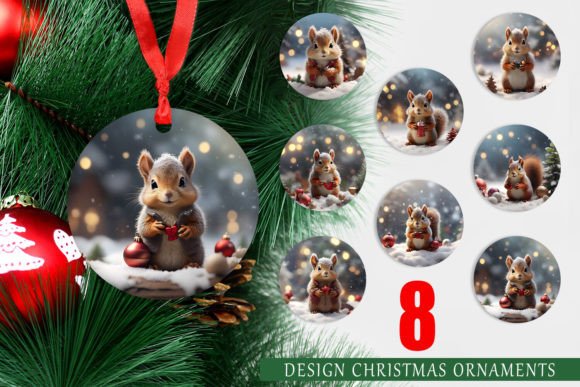
Ornament Squirrel: A Crafts Asset for Modern Blogs
As a digital publisher who has spent over a decade refining the visual identity of high-traffic content websites, I have learned that the difference between a bounce and a loyal subscriber often comes down to micro-details. When I first encountered the Ornament Squirrel, my initial reaction was not just about the cuteness factor, but about its utility as a functional graphic design asset. In the crowded landscape of lifestyle and hobbyist blogging, finding imagery that feels both authentic and polished is a constant challenge. This particular design bridges that gap effectively, offering a whimsical yet structured aesthetic that can elevate standard blog graphics into something memorable.
The visual mood created by the Ornament Squirrel is distinctly warm and inviting. It leans heavily into a cozy, artisanal vibe that resonates deeply with audiences interested in home decor, seasonal crafts, and DIY projects. For a website owner, this means the asset does more than fill space; it sets an emotional tone. It signals to the reader that the content they are about to consume is approachable, creative, and human-centric. This is crucial for building reader trust, especially in niches where personal connection drives engagement. Whether you are running a niche blog about woodland-themed nursery decor or a broader lifestyle publication focusing on autumn activities, this design element supports a narrative of comfort and creativity.
Integrating the Asset into Real Publishing Workflows
Let’s discuss practical application. In my own workflow, I rarely use a design element in isolation. The true value of a digital download like this lies in its versatility across multiple touchpoints. I immediately tested the Ornament Squirrel in several key areas of a sample content strategy. First, I used it as a focal point for Pinterest pin designs. Pinterest is a visual search engine where clarity and charm drive clicks. By placing the squirrel illustration against a muted, earthy background and pairing it with bold, sans-serif typography, the resulting graphic stood out in a feed cluttered with generic stock photography. The unique character of the illustration provided a hook that standard photos often lack.
Beyond social media, I integrated the asset into editorial design layouts for long-form articles. Using it as a section breaker or a decorative drop-cap accent added a layer of sophistication to the text-heavy pages. This technique helps maintain visual hierarchy, guiding the reader’s eye through the content without causing fatigue. For those creating digital guides or eBooks, this ornament serves as an excellent thematic anchor. Imagine a downloadable PDF on "Winter Woodland Crafts" where the squirrel appears on the cover, the chapter headers, and the footer of every page. This consistency reinforces brand identity and makes the digital product feel cohesive and professionally produced.
Enhancing Click-Through Rates and Brand Consistency
From a content marketing perspective, consistent visual branding is non-negotiable. When readers see a specific style of illustration repeatedly, they begin to associate it with your voice and quality standards. The Ornament Squirrel supports this by offering a distinct visual signature. I found that using it in website header banners significantly improved the perceived professionalism of the site. It moves the design away from the generic look of template-based sites and toward a custom, curated experience. This subtle upgrade can lead to better click-through potential on internal links and affiliate offers, as the overall environment feels more trustworthy and established.
For affiliate marketing sites, particularly those reviewing craft supplies or home goods, this asset can be used to create custom comparison charts or "best of" lists. Instead of relying solely on product images, which can look cluttered, overlaying or framing them with the squirrel ornament adds a editorial flair. It softens the commercial intent of the page, making the recommendations feel like part of a curated lifestyle rather than a hard sell. This balance is essential for maintaining audience goodwill while monetizing content.
Strategic Placement and Visual Context
While the asset is versatile, it is not a one-size-fits-all solution. Understanding where it works best is key to maximizing its impact. It shines in hero images, article thumbnails, and newsletter graphics. In email marketing, where inbox real estate is competitive, a charming, recognizable icon can increase open rates by signaling a friendly, non-corporate tone. It also works beautifully in lead magnet covers, such as checklists or printable planners, adding value to free resources that capture email subscribers.
However, caution is required in certain contexts. I would advise against using this ornament in small mobile thumbnails where intricate details might get lost. Similarly, it may not be suitable for text-heavy blog images if the contrast is not carefully managed. The design should never compete with the headline for attention. Furthermore, for websites operating in strictly corporate, financial, or highly serious professional niches, the playful nature of the squirrel might undermine the desired authority. It is best suited for creative, lifestyle, educational, and family-oriented sectors.
Technical Considerations for Web Performance
As a designer, I always stress the importance of technical optimization. Before deploying any design assets on a live site, you must test them across devices. I previewed the Ornament Squirrel on various screen sizes to ensure it remained crisp and recognizable. File size is another critical factor. Large, uncompressed images can slow down page load times, negatively affecting SEO and user experience. Ensure you compress the image properly for web use without sacrificing quality. If the asset comes in vector format, utilize SVGs for scalability and performance.
Typography pairing is also vital. I experimented with placing the squirrel beside different font styles. It pairs exceptionally well with modern serif fonts for a classic, editorial look, and with handwritten fonts for a playful, personal touch. Avoid pairing it with overly rigid, industrial sans-serifs unless you are aiming for a specific ironic contrast. Always check readability when overlaying text on or near the illustration. High contrast is essential for accessibility and user engagement.
Finally, always confirm the licensing terms. If you are using this for commercial design purposes, such as on monetized blogs, in paid courses, or on products for sale, ensure you have the appropriate commercial license. Many items in the creative marketplace offer different tiers of usage rights. Protecting your business from legal issues is just as important as the aesthetic appeal of your content. By treating the Ornament Squirrel as a strategic component of your small business branding toolkit, you can create a more engaging, visually cohesive, and profitable digital presence.
In conclusion, the Ornament Squirrel is more than just a cute illustration; it is a versatile tool for enhancing web design and social media graphics. When used thoughtfully, it supports a stronger visual identity, improves reader engagement, and adds a layer of professional polish to your Crafts and lifestyle content. Whether you are designing a Canva template for clients or sprucing up your own printable design resources, this asset offers the flexibility and charm needed to stand out in today’s digital landscape.