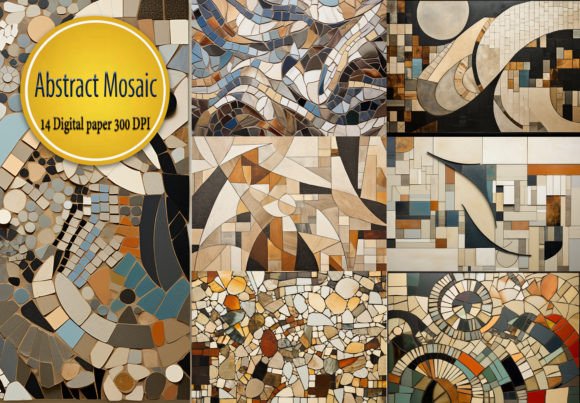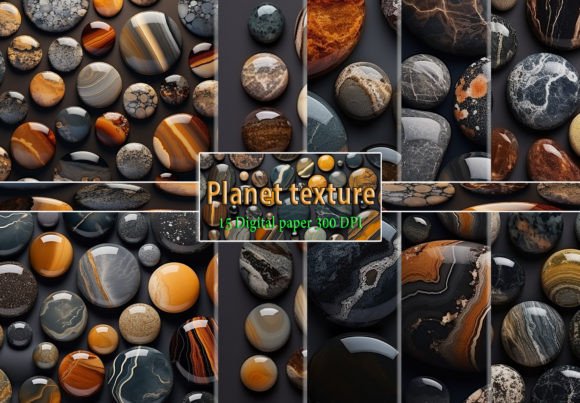
Colorful Stones Texture for Backgrounds
As a digital product creator who has spent years navigating the shifting tides of Etsy, Creative Fabrica, and print-on-demand platforms, I have learned that texture is often the unsung hero of high-converting listings. We frequently obsess over typography or complex illustrations, yet it is the underlying surface quality that gives a design its tactile reality. Recently, I evaluated the Colorful Stones Texture asset to determine its viability for my upcoming seasonal collection. My goal was not just to admire the aesthetics, but to rigorously test its commercial potential across various mediums, from sublimation prints to digital paper packs.
The first impression of this graphic design asset is one of grounded vibrancy. Unlike flat, vector-based patterns that can feel sterile on screen, this texture carries a natural, organic weight. The interplay of hues suggests a playful yet sophisticated mood, striking a balance between rustic charm and modern decorative appeal. It does not scream for attention with neon intensity; rather, it invites the viewer to look closer. This subtle complexity makes it particularly attractive to buyers seeking authenticity in their digital download purchases. For sellers targeting the handmade business niche or those curating premium brand identities, this visual personality offers a distinct advantage over generic, mass-produced backgrounds.
Integrating Texture into Sellable Products
The true test of any design asset is its versatility. During my review, I simulated several real-world product scenarios to see where the Colorful Stones Texture would perform best. For print-on-demand sellers, this texture shines in home decor categories. I mocked up the design on tote bags and throw pillows, where the stone-like granularity adds a perceived value of luxury and durability. The texture holds up well on larger surfaces, providing a rich backdrop that does not overwhelm the primary subject matter.
For Cricut users and crafters creating physical goods, the application requires more strategic thinking. While this is primarily a raster image, it serves as an excellent base for sublimation design projects. I tested it on tumbler wraps and mousepads, finding that the colorful variations create a dynamic visual flow that hides minor alignment errors during the pressing process. However, for SVG design purposes, such as intricate vinyl cuts, this texture is not suitable as a cut file itself. Instead, it should be used as a printed background layer beneath clean, bold SVG shapes. This combination creates depth, making simple sticker design concepts appear more professional and layered.
In the realm of digital stationery, this asset is a strong contender for Canva template creators. I incorporated it into planner covers and journal pages. The key here is opacity management. By lowering the transparency, the stone texture becomes a subtle watermark that adds character without interfering with readability. This approach works exceptionally well for printable design products like greeting cards and invitation templates, where the background needs to support, not compete with, the textual information.
Enhancing Product Presentation and Click-Through Rates
Beyond the product itself, the Colorful Stones Texture plays a crucial role in marketing visuals. In the crowded creative marketplace, your thumbnail is your storefront window. I found that using this texture as a backdrop for product mockup images significantly improved visual hierarchy. When showcasing a plain white mug or a simple piece of jewelry, placing it against this textured background creates immediate contrast and context. It suggests a lifestyle setting, helping potential customers visualize the item in their own homes.
This strategy extends to social media graphics and blog headers. For content creators and bloggers, consistent small business branding is vital. Using a cohesive set of textures across your Instagram posts or Pinterest pins creates a recognizable visual language. The colorful nature of these stones allows for seasonal adaptation; by adjusting the color balance or overlaying festive elements, you can repurpose the same base asset for holiday bundles, back-to-school promotions, or spring refreshes. This efficiency is invaluable for solo entrepreneurs managing multiple revenue streams.
Strategic Limitations and Technical Considerations
While the aesthetic appeal is high, practical application requires caution. Not every product benefits from a busy texture. I advise against using the Colorful Stones Texture for tiny sticker details or products requiring extreme clarity, such as technical diagrams or minimalist logos. In these cases, the visual noise can detract from the core message. Similarly, for t-shirt design intended for dark garments, ensure you are using a PNG with proper transparency or a lightened version of the texture. Printing a dark, complex texture on black fabric often results in a muddy, indistinct print that lacks commercial appeal.
Resolution is another critical factor. Before listing any commercial design derived from this asset, verify the DPI settings. For large format prints like wall art or shower curtains, the source file must be high-resolution to prevent pixelation. I recommend testing a small batch of prints locally before launching a full design bundle on platforms like Shopify or Etsy. Check how the colors translate from screen to paper. Stone textures can sometimes shift in tone, losing their vibrancy if the printer profile is not calibrated correctly.
Best Practices for Commercial Licensing and Usage
When incorporating third-party assets into your digital product lineup, understanding licensing is non-negotiable. Always confirm that your purchase of the Colorful Stones Texture includes a commercial license that permits resale in finished goods. Most standard licenses allow you to use the texture as part of a larger design, such as a mug design or a packaging design, but prohibit reselling the texture file itself as a standalone digital paper pack. Respecting these boundaries protects your shop from takedowns and maintains professional integrity within the community.
To maximize the utility of this asset, pair it thoughtfully with typography. I found that bold sans serif fonts create a modern, impactful look when overlaid on the stones, while elegant script fonts add a touch of femininity and grace. Avoid overly decorative display fonts that might clash with the intricate details of the texture. The goal is balance. Use the texture to anchor the design, allowing the text to breathe. For brand identity projects, consider extracting specific color palettes from the texture to use in complementary graphics, ensuring a cohesive look across all customer touchpoints.
Ultimately, the Colorful Stones Texture is a versatile tool for the savvy digital seller. It bridges the gap between natural aesthetics and commercial viability. Whether you are creating clipart bundles, enhancing Etsy product photos, or designing scrapbooking kits, this asset offers a reliable foundation. By testing it across different mediums, respecting technical limitations, and leveraging its visual strength in marketing materials, you can elevate your product offerings. It is not just a background; it is a strategic element that, when used correctly, builds trust, enhances perceived value, and drives engagement in your online shop.